
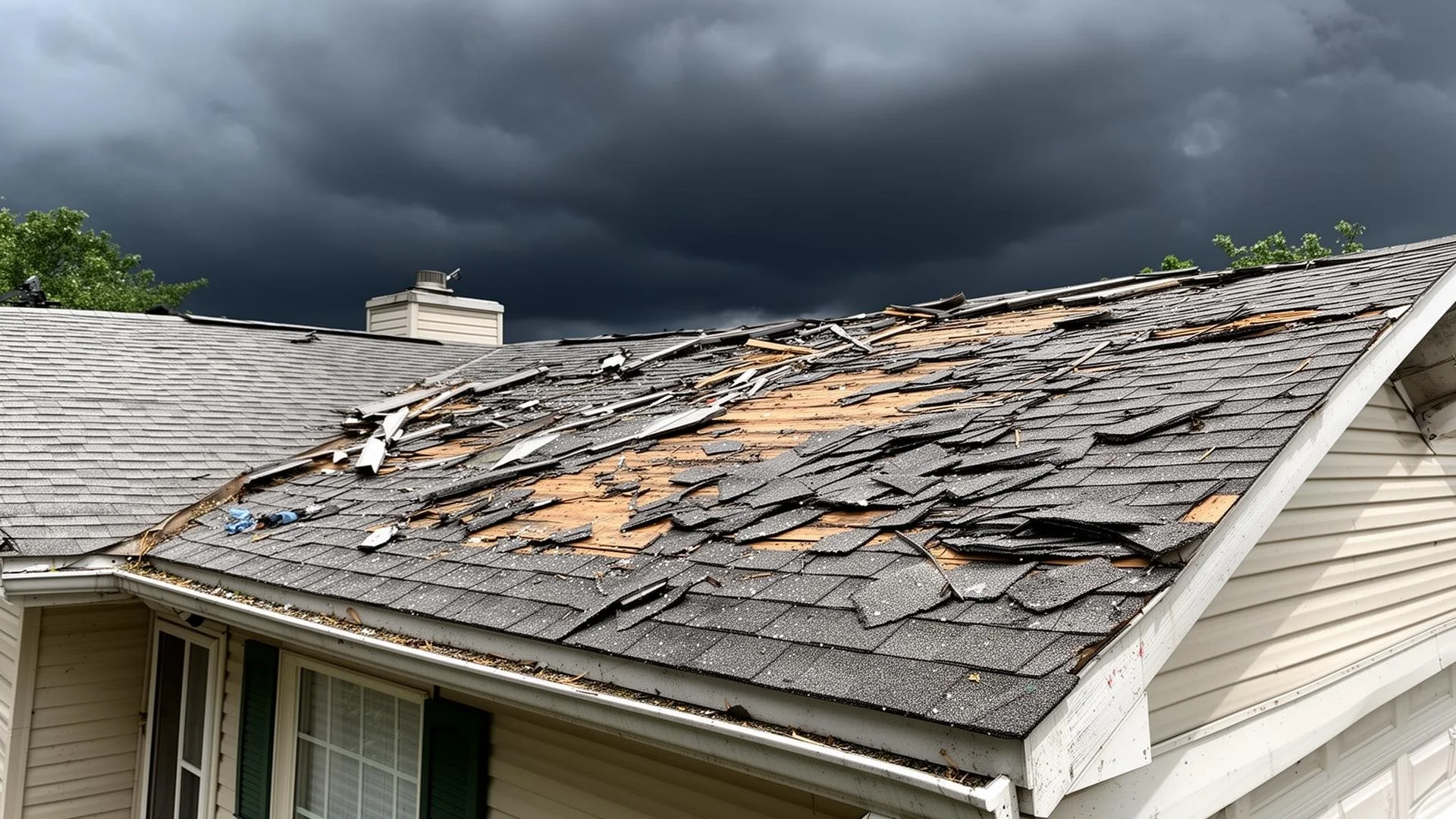
Storm Damage
Storm damage made easy — and done right.
When the storm passes, the real challenge begins. We handle inspection, insurance, and restoration so you can get back to normal.
The Process
What is the process of replacing a storm damaged roof?
You came home to missing shingles in the yard or noticed a leak after the last big storm. After a storm or emergency event, the rules are simple: stay safe, document everything, and let a trusted roofer handle the rest.
At EverSafe Roofing, we make this easy. With more than 15 years of experience helping homeowners restore storm-damaged roofs, we walk you through every step of the insurance and replacement process — from the first phone call to the final nail.
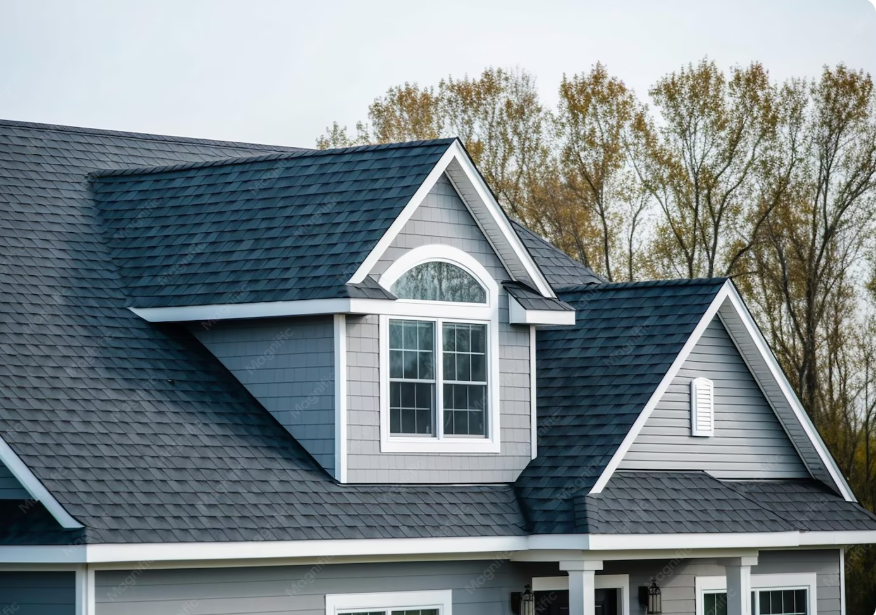
Does insurance cover roof replacement?
Understand what your policy actually pays for.
Will the entire cost of the roof be covered?
ACV vs. RCV — what to expect on your check.
How does the insurance claim process work?
Step-by-step from inspection to completion.
Will my claim be covered?
Will the entire cost of the roof be covered?
While home owners insurance is required by mortgage lenders, it doesn't always fully pay for the full cost of a roof replacement. The exact amount depends on your policy type.
Actual Cash Value policy
An Actual Cash Value (ACV) policy compensates you for the depreciated value of your roof at the time you file a claim. This type of coverage will not account for the total cost of replacing your roof, necessitating additional out-of-pocket expenditure for the balance.
While it is feasible to locate a contractor willing to undertake the replacement within the financial constraints set by an ACV policy, it is likely that such a contractor will resort to cheaper materials and labor to manage costs.
Initially, this approach may appear cost-effective, it ultimately compromises the longevity and reliability of your roofing investment, setting your roof up for early deterioration.
Replacement Cost Value (RCV) policy
A Replacement Cost Value (RCV) policy covers the entire or majority of the cost required to replace your roof with a new equivalent. Upon approval, you will receive an initial check payment for the actual cash value, while the insurance company retains the recoverable depreciation, which is the second check. Two checks make up the entire cost of your roof replacement,
Once the roof replacement is completed and verified, you will receive the second payment. In order to receive the second payment you must file specific photos and documentation of the roofing process in accordance to your specific policy. Our insurance specialists are well versed in this process so that no money is left on the table, ensuring the full cost of replacement is paid for. It's important to note that the insurance company will only cover the cost to restore your roof to its original, brand-new condition. Meaning they will not upgrade you to a metal or slate roof if there is currently an asphalt shingle roof on your home.
If you wish to make upgrades, such as switching from 3-tab asphalt shingles to architectural asphalt shingles, you will need to cover the additional expense out-of-pocket.

Coverage
Does homeowners insurance cover a roof replacement?
Because most homeowners insurance policies cover sudden and accidental damage to the roof — including storm, wind, and hail damage — the answer is usually yes. Insurance will also cover damage caused by fallen trees and limbs, fire and smoke, vandalism, and falling objects, in most cases.
Insurance will also cover damage caused by fallen trees and limbs. It will not cover damage caused by old age, neglect, or pre-existing issues. That's why a free, professional inspection is so important.

Step by step
How does the homeowners insurance claim process work?
From inspection to final payment, our claim process can usually be completed in under 60 days. Here's how we guide your insurance claim from start to finish.
-
Gather photo evidence
The first step after a storm is to assess and document any damage. Take photos of every visible issue — missing shingles, damaged gutters, fallen limbs, and debris.
-
Get a storm damage inspection
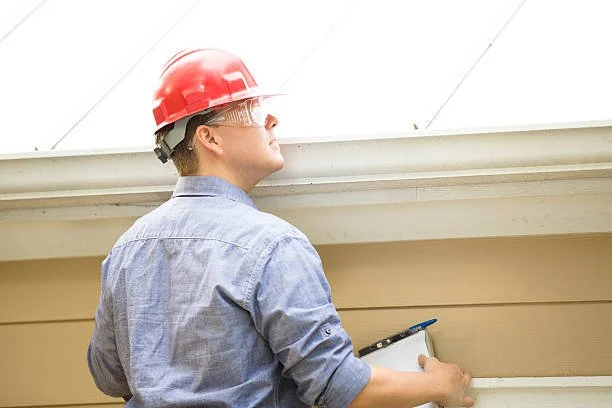
We climb up to your roof and inspect every shingle, vent, flashing, and seam. You receive a written report with photos so nothing is left to chance.
-
Get your storm-damaged roof replaced
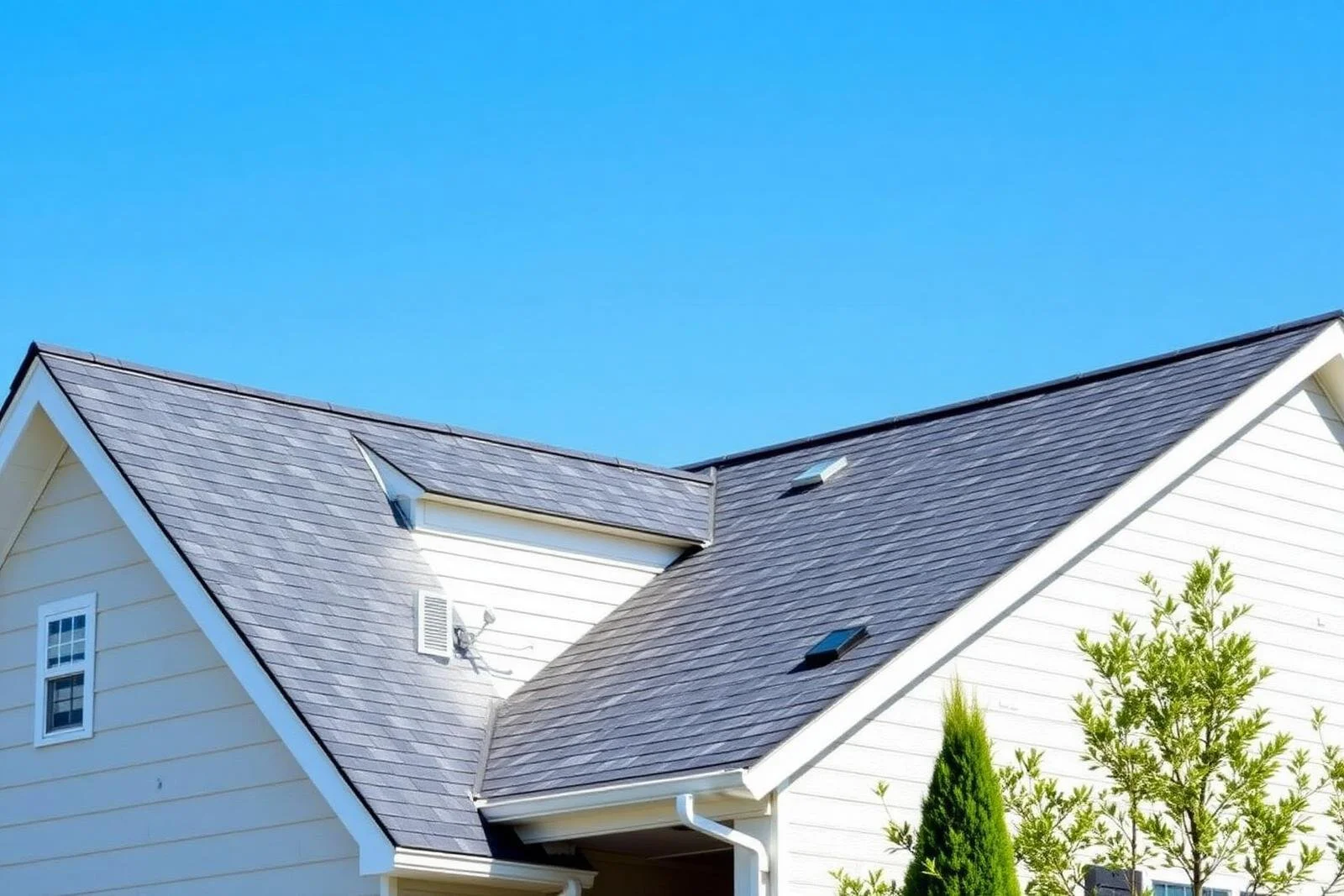
Once approved, we install your new GAF roofing system. Most replacements are completed in a single day with a crew of seasoned professionals.
-
File your insurance claim
Once approved, we install your new GAF roofing system. Most replacements are completed in a single day with a crew of seasoned professionals.
How does the homeowners insurance claim process work for roof damage?
Now that you know homeowners insurance covers a roof replacement in the event of storm damage, you need to know the actual process. Below is the process from identifying roof damage to getting your roof replaced through insurance.
For the process example, we’ll assume you have an RCV policy.
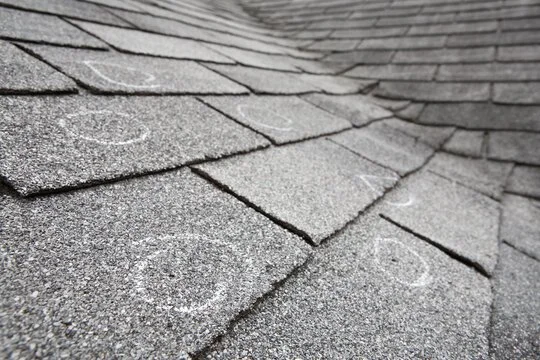
Photo of hail damage “Test Square”
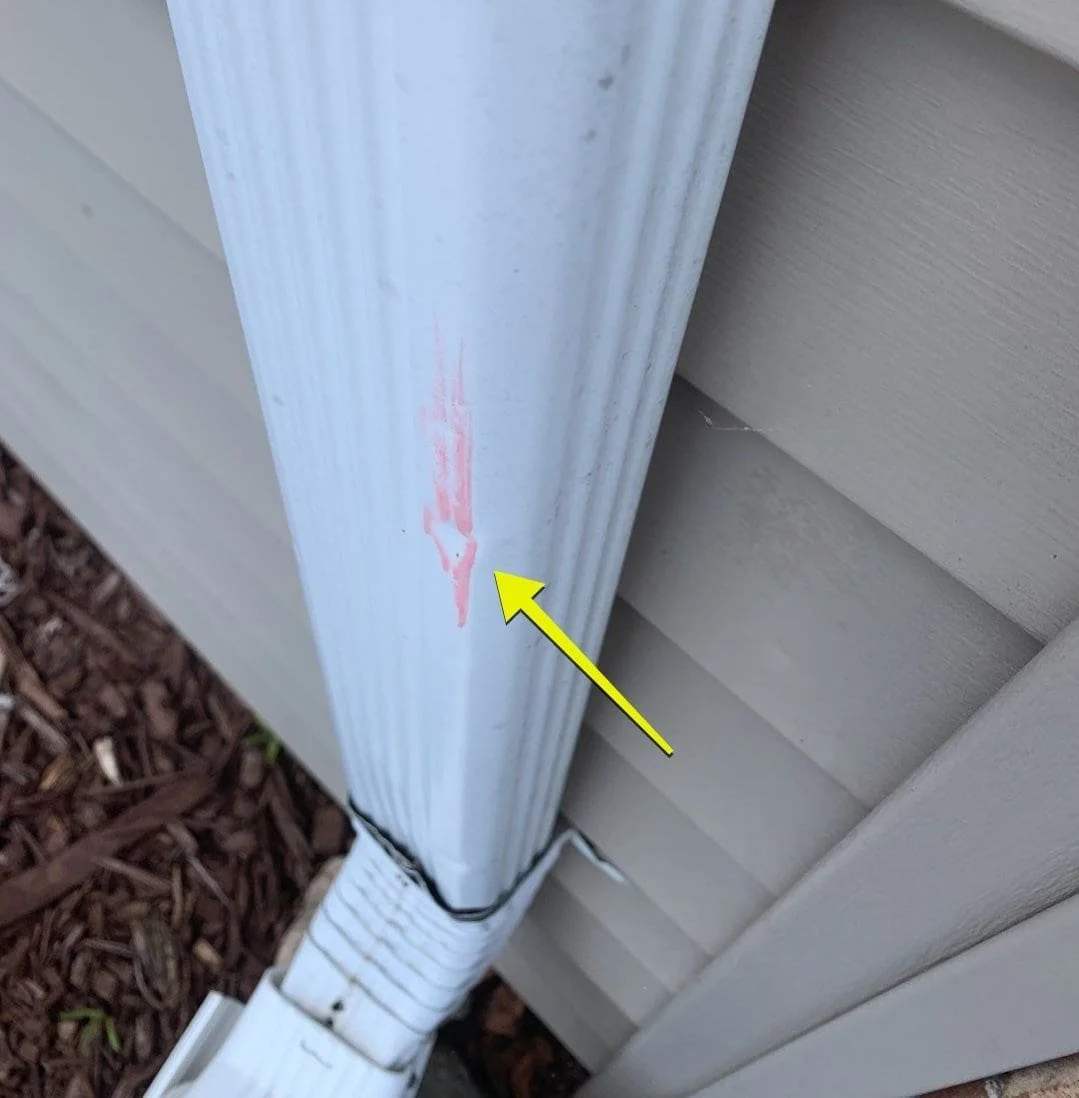
Hail Damaged Gutter
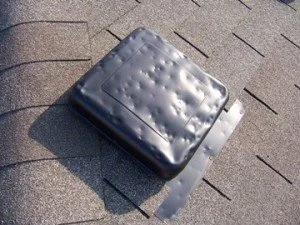
Hail Damaged Roof Vent
Gather photo evidence after the storm hits.
The initial step when your roof sustains storm damage is to collect evidence to assess whether you have a valid claim. While this doesn't ensure approval, it helps determine if initiating the insurance process is warranted.
The most effective method is to photographically document the signs of roof damage. For wind-related damage, inspect your property for missing, creased, or displaced shingles.
For hail damage, inspect ground-level objects for collateral damage to ascertain if your roof was affected.
Consider checking the following areas for signs of hail damage:
Dents in downspouts (above 5 feet to avoid attributing it to a lawnmower)
Dings or marks on your garage door
Holes in your window screens
Dings on any painted wood or shutters
Splatter marks or dents on your electric meter, AC unit, or grill
Dents on your mailbox and other soft metals on your property
Loose asphalt granules near downspouts
Although you may climb onto your roof to check for more evident damage, for safety reasons, it is advisable to document and assess roof damage from the ground. Leave the climbing up to the professionals.
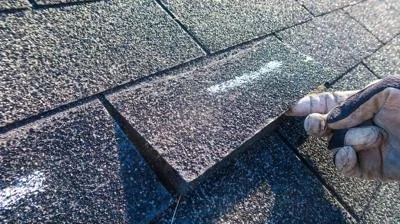
Wind Damaged Roof Shingle
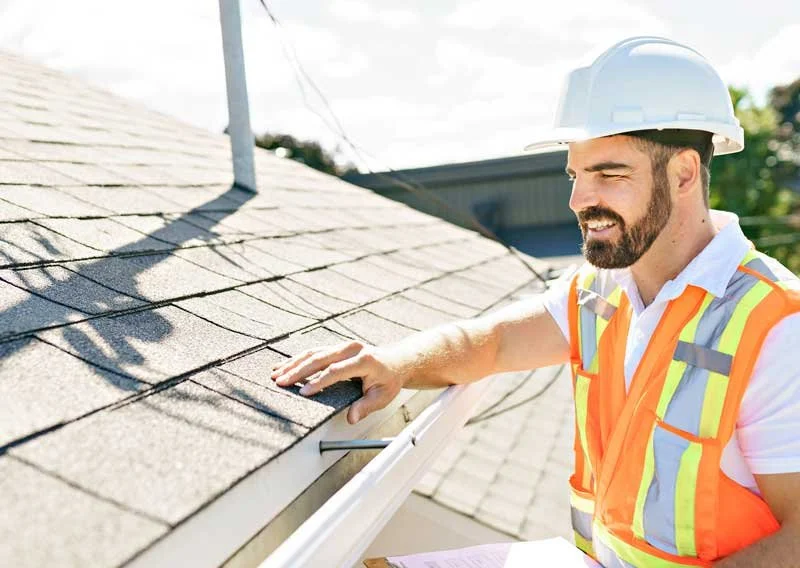
Get a storm damage roof inspection
The subsequent step is to schedule a roof inspection for storm damage to assess the validity of your claim. It is advisable to contact your insurance company initially to ensure compliance with their procedures. However, you may also engage a roofing contractor to verify the damage before filing a claim.
Regardless of the order, both an insurance adjuster and a roofing contractor will need to conduct their own inspections. The initial inspector will use chalk to mark areas of the roof with missing shingles, granule loss, hail marks, dents in metal, and other forms of damage.
This approach simplifies the identification of damage and establishes clear reference points for reviewing your claim. After marking the damaged areas, they will photograph all affected sections to submit to the insurance company.
Additionally, they will inspect and document any collateral damage on the ground, as you did previously. It is advisable to have your roofing contractor present during the adjuster’s appointment, even if the contractor has already conducted their own inspection.
This is important because your adjuster, is not a professional roofer, they may overlook certain issues due to a lack of specialized knowledge. Additionally, having someone advocating on your behalf is beneficial.
Following the inspection, the decision to approve your claim rests with the adjuster. However, be aware that you have recourse options if your claim is initially denied.
Receive an estimate from your insurance company ( Insurance Paperwork).
Once your claim is approved, the insurance company will provide an estimate outlining the scope of work for your roof replacement. It is crucial that your roofing contractor adheres to this scope to ensure you receive the recoverable depreciation to cover the total cost.
Unfortunately, the initial amount offered by insurance is often insufficient for the job. This is because many insurance estimates omit necessary items and essential business costs, such as overhead and profit.
To ensure the full cost is covered, you will need to invest time and effort in supplementing your claim to include these omitted items. Our insurance specialists are highly skilled in the supplementing process, ensuring that your insurance company covers any additional work that may arise during the installation process that was not initially included.. This ensures that there will be no additional out of pocket expenses.

Get your storm-damaged roof replaced
After signing your estimate, it’s time to get your roof replaced by the roofing contractor of your choice. You’ll get the first ACV check from the insurance company to cover your deposit, and the roofer will schedule your roof replacement.
They’ll look over the insurance paperwork to ensure they follow it correctly before the job then get to work. After your roof is replaced, they’ll take photo documentation to prove it was done per the claim and submit it to the insurance company.
If everything checks out, you’ll get the recoverable depreciation check to give to the roofing contractor that covers the rest or most of the remaining cost. Any additional costs will be covered in a final check which covers any supplements. Your roofer will take care of all the paperwork involved in this process ensuring you do not have any out of pocket expense. Just know that you must pay your own deductible, no matter what a roofer may say.
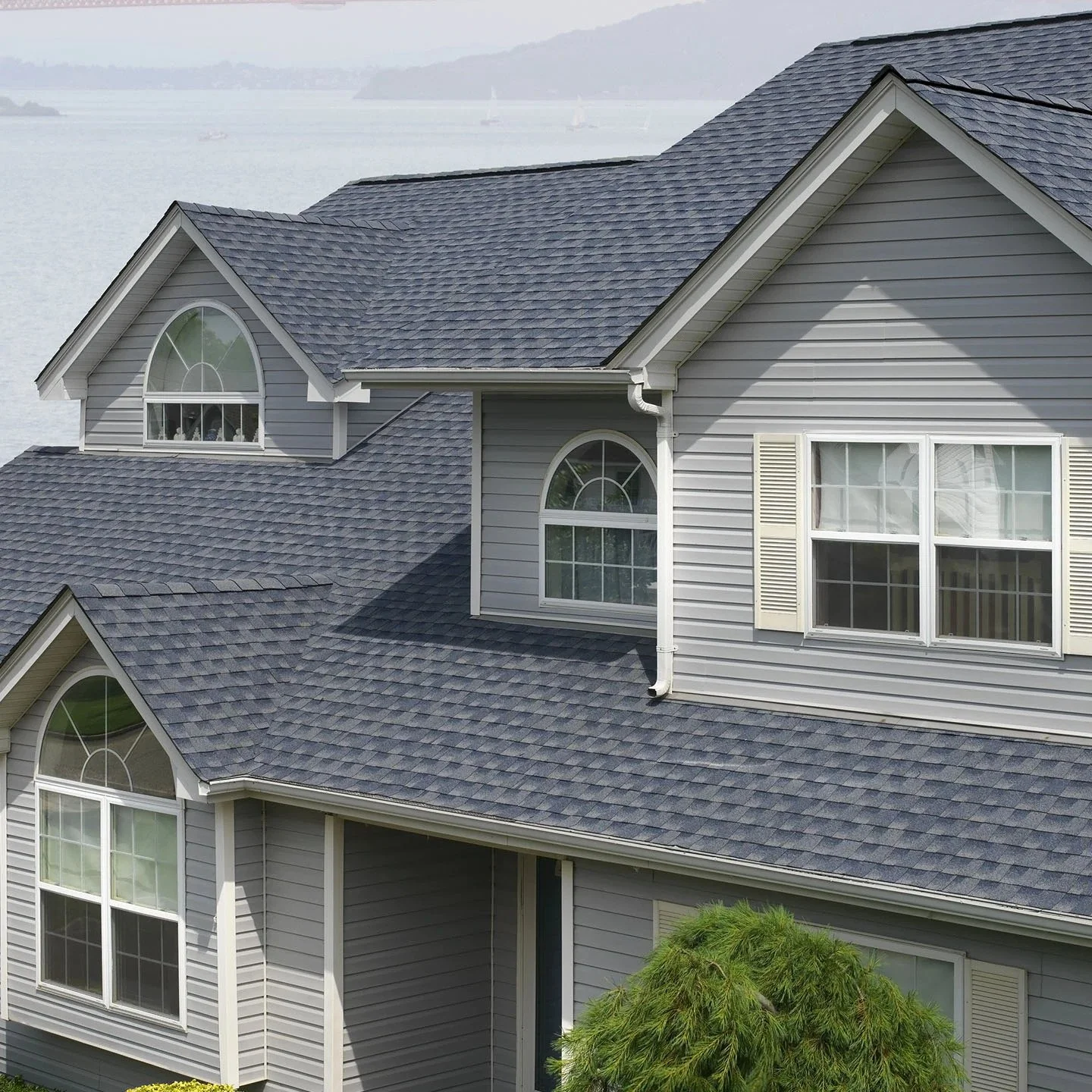
Free storm inspection — schedule yours today.
We'll document every detail, file alongside your insurance company, and guide you from first call to final shingle. No pressure. No storm-chaser tactics.